Black paint is beautiful in a way few colors can match. It turns reflections into a mirror, sharpens body lines, and makes a well-kept car feel like a showpiece. It also reveals everything. Any shortcut in your exterior detailing shows up as swirls, micro-marring, or rotary holograms Boat ceramic coating that dance across the panel under shop lights. Keeping a black car flawless takes a methodical approach, good lighting, clean tools, and a bit of restraint.
I have corrected more black vehicles than any other color. The patterns repeat. Improper wash technique causes the lion’s share of swirls. Rotary misuse, wrong pad and compound pairings, and dirty towels add the rest. The fix is less about any single “magic” product and more about controlling variables start to finish.
What swirls and holograms actually are
Swirls are not literally circular scratches, even if they look like them under a point light. They are thousands of fine, directional scratches that reveal themselves in arcs because your light source and eye move relative to the paint. They often come from dirty wash mitts, aggressive clay on a dry panel, or wiping dust with a towel.
Holograms are a specific machine polishing defect. They are micro-trails left by a rotary with the wrong pad, product, or technique. Under diffuse shade you might not see them. Under LEDs or the setting sun, they appear as three-dimensional trails that shift with your viewing angle. On hard black paint, they can persist even after a glaze. On softer clears, they can look worse the next day when oils evaporate.
The reason black exposes these issues is contrast. Clear coat is clear, but fine scratches scatter light. On lighter colors, scattered light blends in. On black, the deviation is stark.
The wash stage makes or breaks the finish
If someone brings me a black car for paint correction, I ask about their wash routine before I pull a pad from the cabinet. Most owners create fresh marring within weeks because their wash gear or technique is working against them. A safe wash is a system, not just a soap.
Here is a short, practical sequence that keeps contact-induced defects to a minimum:
- Pre-rinse thoroughly to float grit off the surface, then apply a high-foaming pre-wash and let it dwell for a few minutes before a gentle rinse. Use two wash buckets with grit guards, one for soapy water and one for rinsing, and a dedicated chenille or microfiber mitt reserved for upper panels. Switch to a separate mitt for lower panels and rocker areas, and never return that mitt to the upper paint bucket. Glide the mitt in straight lines with minimal pressure, flipping to a clean face often, then rinse thoroughly panel by panel. Dry with a large, clean, high-GSM towel and a blower if available, starting with glass and upper panels, and dab rather than drag in tight areas.
That is one of our shop checklists, and it has proven more valuable than any fancy shampoo. You will notice two themes. First, reduce contact where possible. Pre-washes and snow foam are not for show, they suspend particles and give you a head start. Second, segment the car. Treat lower panels like a different project since they carry the heaviest grit.
Hard water is another overlooked culprit. If your rinse water leaves visible spots on glass within minutes, it is etching your clear when a hot panel bakes in the sun. A deionized rinse or at least drying quickly in the shade can save you hours of later correction on a black finish.
Decontamination that does not induce marring
Iron fallout and embedded grit hide in plain sight on black paint. You feel them as tiny bumps after a wash. They must go before any polishing or protection, but the process itself can mar the paint if rushed.
Use a dedicated iron remover after the initial wash. Let it dwell long enough to react, then rinse thoroughly. For bonded grit, a clay mitt or fine-grade bar with copious clay lube works well, but never on a dry or warm panel. Moderate pressure is fine on glass, but on paint use the least pressure needed. If the clay picks up heavy contamination, fold or swap it out quickly. A single pass per area is enough. People get into trouble by overworking clay, then wonder why the panel looks hazy under lights.
Tar and sap need targeted removers. Do not scour them with clay. On black paint, solvent-based tar removers are kinder than forcing a clay bar to do more than it should. Rinse again, then dry with the same care you used after the wash.
Lighting and inspection that match reality
Black cars need honest light. A swirl that is invisible under a fluorescent strip will jump out under a crisp LED. I like a combination of high CRI hand lamps and a raking light from the side. Move the light around. Inspect at low and high angles. Wipe once with a damp towel before a final look because oils left from compounds can mask defects. On a hot day, let the panel cool. Hot clear coat behaves differently under a pad, and you can pull in defects chasing your tail.
Note panel history. Factory black on German cars often has a harder clear than repainted black panels on domestic models. If a shop did a respray, the clear might be softer or thicker than OEM. Edges and body lines always carry thinner clear. Tape them. It is boring, but losing clear on a door edge for the sake of saving 3 minutes ruins your day.
Polisher choice, pad behavior, and technique
You can correct black paint with a rotary, but most enthusiasts and many pros stick to dual action machines for good reason. A long-throw DA with the right pad cuts fast and finishes clean, and it is far less likely to leave holograms. If a rotary is required for heavy defects, plan a refining step with a DA immediately after.
Pad choice matters more than the label on your compound. A medium foam cutting pad paired with a diminishing abrasive compound gives you control. On softer clears, microfiber pads cut fast but tend to haze in black. Use them only when necessary, then refine with a softer foam and a fine polish. Keep pads clean. Spur or blow them out every section. Saturated pads grab, stall, and can drag residue that instills fresh micro-marring.
Machine speed, pressure, and cycle length are the knobs you turn. Here is a simple, controlled approach that avoids holograms and haze:
- Prime the pad lightly, add two to four pea-size drops, spread at low speed, then work the section at a moderate speed using slow arm movement. Use light to moderate pressure that compresses the pad slightly, and keep the pad flat to the panel, especially on curved areas. Cross your passes in a tidy pattern, overlap by about half a pad, and do not chase a section beyond two or three sets unless a test spot proves it helps. Wipe residue with a soft, edgeless towel folded into quarters, swapping sides as soon as you feel any drag or see residue build. Inspect under your chosen light, then refine with a softer pad and finishing polish if you see haze, even if the initial cut looked clear.
On some black paints, a one-step with a modern micro-abrasive polish on a polishing foam pad gives 70 to 85 percent correction and a jewel-like finish. That is often wiser than pushing for 95 percent correction at the cost of clear coat. If the car is a daily driver, save clear for future maintenance.
Panel temperature and humidity are not footnotes
Compounds and polishes behave differently in humidity and heat. On a hot black hood in summer, a compound can flash fast and dust. Slow your cycle, reduce pressure, and use a touch more product. On a cold day, you may need to increase speed and complete longer cycles for the abrasives to break down. Keep a hand on the panel. If you cannot hold it comfortably, stop and cool it with a clean damp towel or a blower. Overheated clear is easy to micro-mar.
Finishing touches that prevent reintroduction of defects
Wiping technique matters as much at the end as it does during washing. Use high-quality towels only for paint. Color code them to avoid cross-contamination from wheels or jambs. Spray your inspection or panel wipe on the towel, not directly on hot paint, to avoid streaking or unintentional spotting. Fold towels often so you always present a clean face to the paint. Lazy wiping creates arcs you will chase under lights later.
When the finish is pristine, protect it. Modern ceramic coatings provide durable protection and slickness that reduce wash-induced marring, but they are not armor. High-quality sealants and waxes are easier to apply and maintain, and on a black car they can deliver a warm glow that some owners prefer. Layering a sealant topped with a high-carnauba content wax can yield a deep, wet look, though it will not last like a coating. Choose based on your maintenance commitment and storage.
What we have learned at Hugo's Auto Detailing about black paint
At Hugo's Auto Detailing, black vehicles taught us patience. A single anecdote sticks with me. A client brought a brand-new black SUV, still with the dealer plate. Under sunlight it looked passable. Under LEDs it was a maze of swirls and faint holograms from dealership “prep.” We explained that a light one-step would improve it, but not erase the holograms entirely. Instead, we did a measured two-step on the horizontal panels and a one-step on the lowers. The correction rate sat around 85 percent overall, but the finish looked crisp from every angle. Most importantly, we preserved clear for the years ahead. Six months later, the client returned after careful washes, and the paint still looked jewel-like. It proved again that good technique and honest expectations beat maximum aggression.
We also changed our approach to pad management. Early on, techs would push a pad too long and then wonder why the finish turned hazy. Now, our rule on black paint is simple. If in doubt, change or clean the pad. It saves time in rework and keeps the finish tight.
The Hugo's Auto Detailing black car process in the bay
When a black car rolls into our bay, we treat it differently from the first rinse. We pre-wash with a citrus-based foam that cuts traffic film without biting into protection, rinse with filtered water, then perform a contact wash using upper and lower dedicated mitts. Iron decontamination follows, then a light clay mitt guided by a slick lubricant. We tape edges and high-risk trim, set up mixed lighting, and run a comprehensive test spot on a mid-level panel. The test spot determines pad and polish combinations for each zone. We keep pads in rotation, clean them every other section, and adjust machine speed and pressure for each panel’s heat and contour.
Once the paint reads clear under both LED and raking light, we perform a panel wipe to remove oils and ensure no fill. Protection choice depends on the owner’s routine. Some prefer a ceramic coating for wash-induced marring resistance. Others enjoy the depth of a sealant and wax pairing. We document each product used, the pad combo per panel group, and store it for future maintenance visits. This process helps us deliver consistent results without chasing perfection that costs too much clear coat.
The myth of circular motions and other common traps
People often ask if circular wash motions create “circular” scratches. The motion itself is not the issue. Pressure and contamination are. Straight lines make it easier to follow panel flow and reduce the urge to scrub. More important is to avoid lifting grit and dragging it around. Frequent rinsing of the mitt, separating upper and lower areas, and using lubricants prevent marring. Drying is another trap. A gritty towel dragged across a dusty hood will draw swirls faster than any wash mistake. If your towel drags or the panel feels grabby, stop and re-wet the surface with a drying aid or detail spray.
Another trap is over-polishing. Every correction removes a measurable, if small, amount of clear. On a black daily driver, consider paint protection film on the front clip to reduce the need for heavy compounding later. Then use light machine polishing once or twice a year, with careful washes in between.
Protection choices for black paint, with trade-offs
Ceramic coatings add hardness and chemical resistance, and their slickness reduces the friction that causes towel marring. They also magnify prep, since whatever lies underneath remains visible. If your wash routine is disciplined, a coating can keep a black car looking fresh far longer. If you prefer frequent hands-on care, a high-quality sealant with periodic topper wax can produce a warmer look and hide micro defects slightly better, but you will reapply more often.
We often apply ceramic coatings on black cars that live outside, and sealant plus wax on garage-kept cars with owners who enjoy monthly detailing. There is no universal best. The best is the one you can maintain properly.
Where Car detailing service meets Marine detailing
I learned much about swirl control not only on cars but on black gelcoat boats. Marine gelcoat is softer than automotive clear, yet black hulls show buffer trails even more dramatically under marina sun. The same care applies. Clean pads, correct arm speed, and finishing with a DA after any rotary cut. Marine gel coating work taught us to watch panel temperature religiously. A dark hull absorbs heat, and hot gelcoat smears under a pad. Translating that back to black automotive clear, we keep hood temps in check and never chase a finish on a hot afternoon.
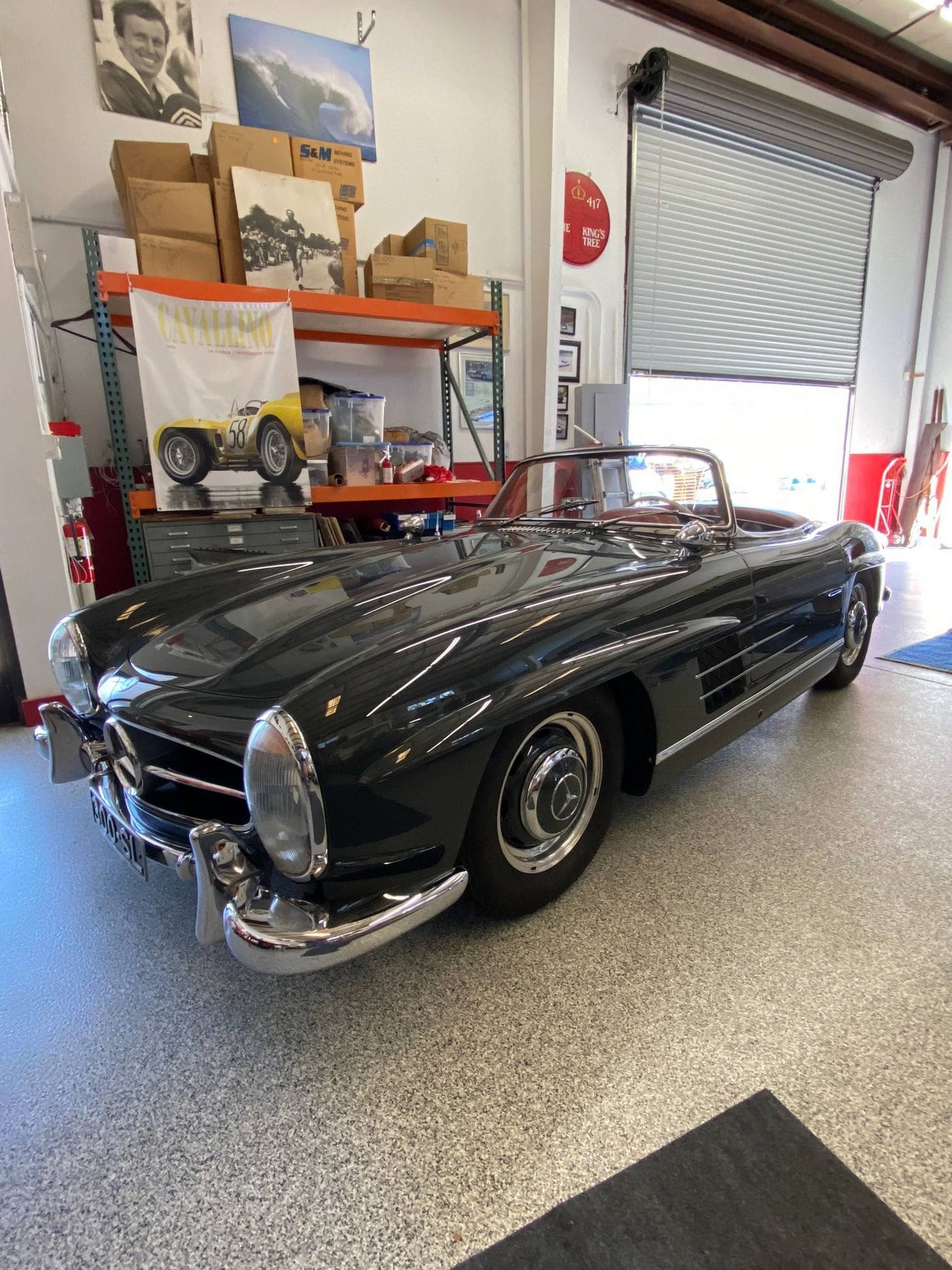
For owners who keep both a black car and a dark-hulled boat, routines can align. A proper Exterior detailing routine pairs naturally with Marine detailing habits. Keep separate mitts and towels for each environment. Marine contamination is different, often salty or chalky, and you do not want that on automotive paint. For protection, Boat ceramic coating products are formulated to handle UV and salt. Automotive coatings are tuned differently. We have seen success with dedicated Marine gel coating products on hulls and automotive coatings on cars, not the other way around. This keeps performance predictable and defects easier to avoid when washing and drying.
When to consider professional Paint correction
If you can see distinct holograms under a point light or the sun, they likely came from a rotary or an aggressive one-step at a dealership or quick Car detailing service. While a careful enthusiast with a DA can fix light holograms, deep or widespread trails across multiple panels often deserve a professional Paint correction. Pros have pad inventories, lighting, and the judgment that comes from experience. They will know when to cut harder on a trunk lid and when to refine gently on a repainted door to maintain uniform gloss.
At Hugo's Auto Detailing, we teach techs to earn their way into heavier cuts. Start with a polishing pad and fine compound on a test spot. If it does not resolve the defects, step up one level. If it does, stop there. The most common mistake on black is skipping the refinement step. Even if a heavier pad and compound leave a surface that looks great under diffuse light, a finishing pass with a soft pad and finishing polish tightens the image and removes micro-texture that becomes visible outdoors.
Maintenance between full details
Once your black car is at a level you like, keep it there with simple, repeatable habits. Wash weekly or biweekly, weather depending. Use a drying aid to add lubrication. Keep a small kit in the garage with a blower, two drying towels, a bottle of detail spray, and your dedicated mitts. Never use the same towels on wheels and paint. If you must spot clean dust, use a proper quick detailer and a fresh towel. Resist the urge to wipe dry dust. If you park under trees, manage sap quickly with a safe remover. For winter, switch to touchless rinses when temperatures swing and road salt accumulates, then perform a careful hand wash on warmer days.
Interior detailing has a role here as well. Dust and grime migrate from cabin trim and jambs to paint during washing and drying. A quick wipe of door sills and jambs before you wash the exterior prevents grit transfer in your drying towels.
Edge cases: soft clears, matte trims, and PPF edges
Some black paints are notoriously soft. Japanese compacts from certain years and some domestic repaints will mar with the lightest contact. On these, you may prefer a softer polishing pad for both cutting and finishing, accept a slightly lower correction rate, and choose a slick sealant that reduces friction. Always tape matte trims and PPF edges. Polish will stain matte surfaces and collect on film edges, both of which draw the eye on black paint. If you have PPF on the hood or fenders, reduce pressure near edges and work with the pad well within the boundary. A foam pad can catch a film edge and leave a mark that is hard to disguise.
A brief note on boats and black cars sharing a driveway
If your driveway holds a black coupe and a black center-console, keep your kits fully separate. Dedicated buckets, mitts, and towels for the boat prevent cross-contamination with salt and oxidation dust. Your Boat detailing service routine should include rinsing tools with fresh water and drying them before storage. The products differ as well. Use Boat ceramic coating or Marine gel coating where appropriate. On the car, stick to automotive coatings or sealants. This separation reduces the risk of micro-marring when you switch between projects on the same weekend.
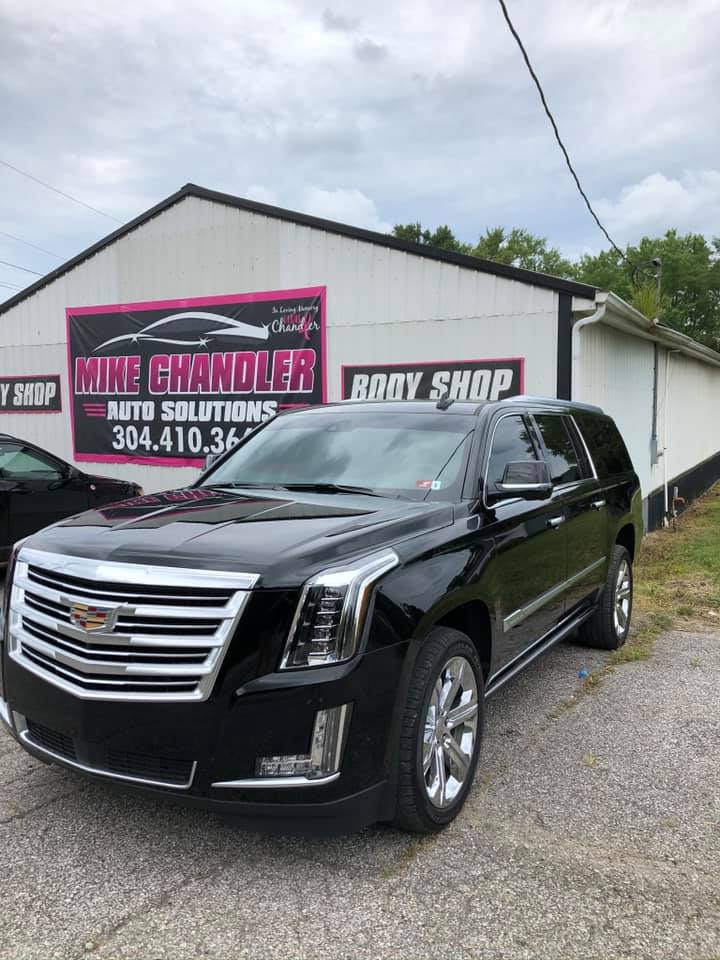
What sets the Hugo's Auto Detailing approach apart
Our perspective at Hugo's Auto Detailing comes from seeing the same cars season after season. We notice how different shampoos behave with local water, which towels hold up, and how a slight change in pad density affects a certain make’s black clear. We track every vehicle’s correction history. That way, when the car returns for maintenance, we know exactly which step leveled what, and we avoid unnecessary abrasion. We also coach owners on wash habits in a way that sticks. A 10 minute lesson on mitt management has kept more black cars clean than any aftercare kit.
We collaborate across vehicle types. Lessons from Marine detailing inform our approach to heat, and lessons from Interior detailing remind us how contamination migrates to exterior surfaces. That cross-pollination helps us keep black finishes crisp long after the bay doors close.

Final thoughts from the polishing cart
Avoiding swirls and holograms on black paint is a craft built on restraint. Touch the paint less, and with cleaner tools. Respect temperature. Test before you cut. Clean your pads more often than you think you should. Protect the finish in a way you can maintain. If you handle those fundamentals, your black car will hold a sharp, liquid look in the parking garage and under the sharpest afternoon sun. And when defects do appear, approach them with a test spot and a light hand rather than a heavy compound. Your clear coat will last longer, and the reflections will speak for themselves.
Hugo’s Auto Detailing
1610 East Valley Rd, Montecito, CA 93108
(805) 895-1623
FAQs About Car Detailing
How long does car detailing take?
Car detailing typically takes between 2 and 8 hours, depending on the vehicle’s size, condition, and whether services like paint correction or ceramic coating are included.
How often should I get my car detailed?
Most vehicles should be detailed every 3 to 6 months, especially in Montecito, CA where sun exposure and coastal conditions can impact your vehicle’s paint and interior.
Is paint correction required before ceramic coating?
Paint correction is recommended if your vehicle has swirl marks, scratches, or oxidation. Proper preparation ensures better bonding and long-term performance of the ceramic coating.